Expertise
Knee preservation.
Cartilage repair and joint-preserving techniques that aim to delay, or avoid altogether, the need for knee replacement, keeping your own knee working for longer.
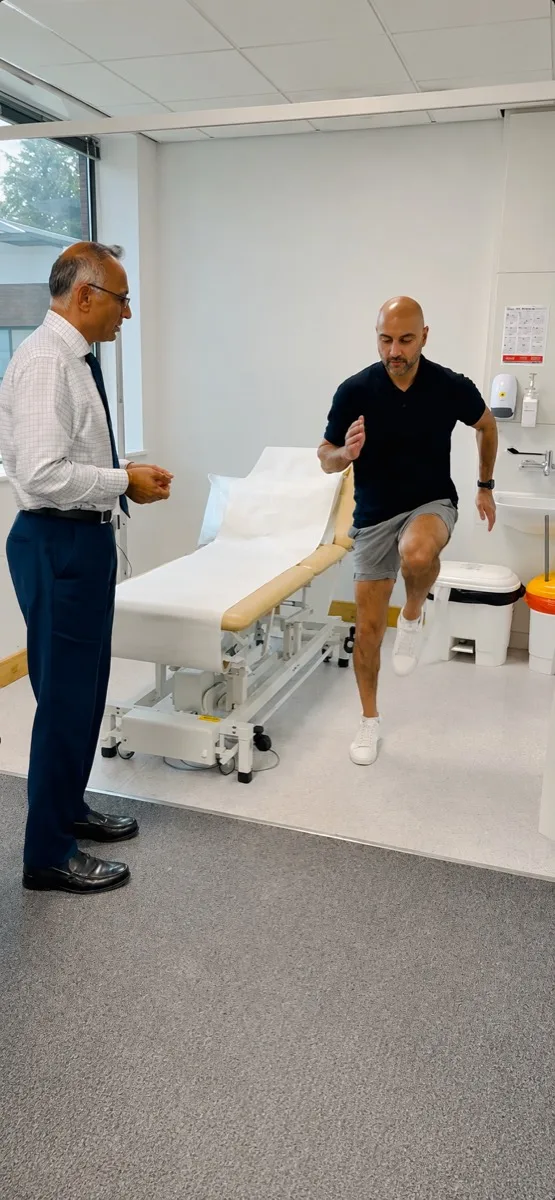
Who preservation is for
Joint preservation suits patients with early, focal cartilage damage, meaning wear confined to one area of the joint surface rather than spread throughout the knee. Treated early, the natural joint can be kept working and a replacement postponed or avoided.
How it works
Mr Trikha uses regenerative techniques that combine nanofracture of the worn surface to stimulate healing, a collagen membrane scaffold over the damaged area, and the patient’s own bone-marrow stem cells seeded onto the scaffold to regrow cartilage. The combination is known as AMIC with bone-marrow stem cell therapy. Because the cells are your own, there is no risk of rejection.
Outcomes
The surgery itself takes around ninety minutes, with recovery over three to six months. The technique has more than a decade of clinical use behind it, with published five-year results better than microfracture alone.
faqs
Common questions.
Am I suitable for joint preservation?
Preservation suits early, focal cartilage damage, meaning wear confined to one area of the joint surface. If the damage is widespread, replacement is usually the more reliable option.
What does the procedure involve?
Around ninety minutes of surgery combining nanofracture of the worn surface, a collagen membrane scaffold over the damaged area, and your own bone-marrow stem cells seeded onto the scaffold to regrow cartilage.
Is it safe?
The cells used are your own, so there is no risk of rejection, and the membrane has no reported adverse effects. The technique has more than a decade of clinical use behind it.
How long is the recovery?
Three to six months, with a physiotherapy programme protecting the new cartilage while it matures.
Will I still need a knee replacement one day?
The aim is to delay it substantially or avoid it altogether. Published five-year results are better than microfracture alone, but if wear eventually spreads, replacement remains available.
Case Studies
Back to what matters.
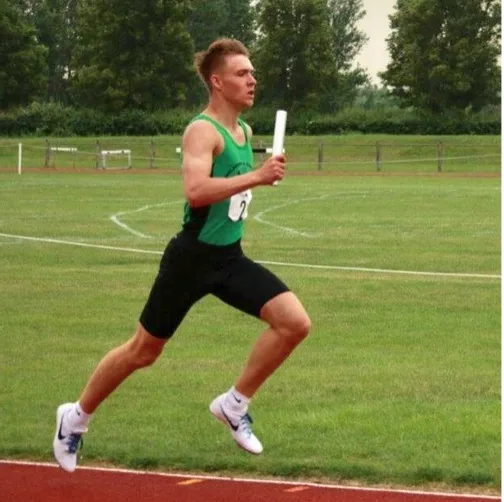
Jonty
No surgery
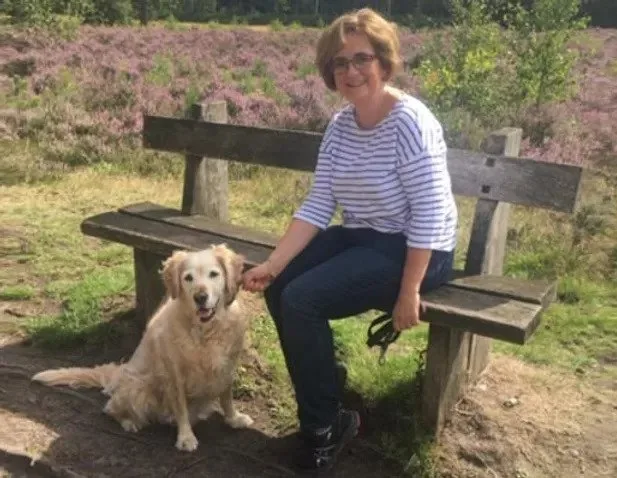
Stephanie
Knee arthroscopy
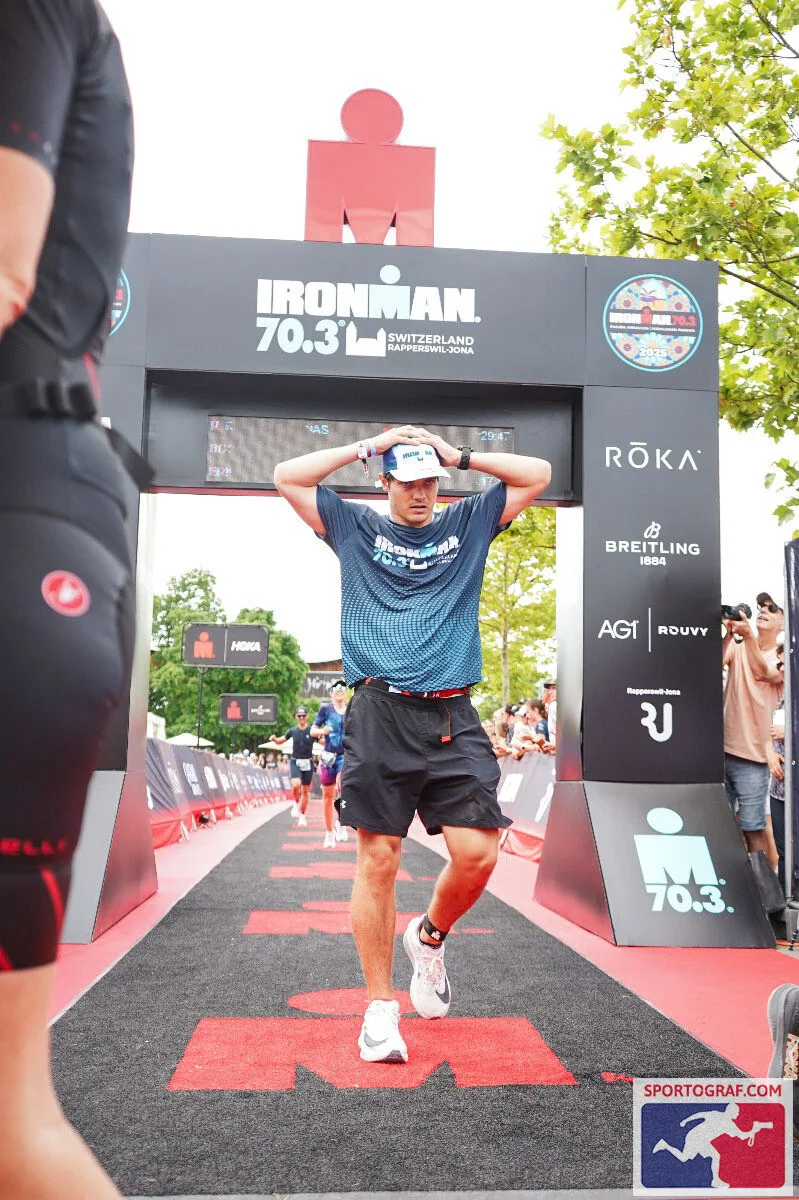
Danny
ACL reconstruction + LET

Rosalie
ACL reconstruction
Joel
Patient story
Davina
Patient story