Expertise
Meniscus & cartilage.
Assessment and treatment of meniscal tears and cartilage damage, using the latest minimally invasive keyhole techniques to repair and preserve the joint wherever possible.
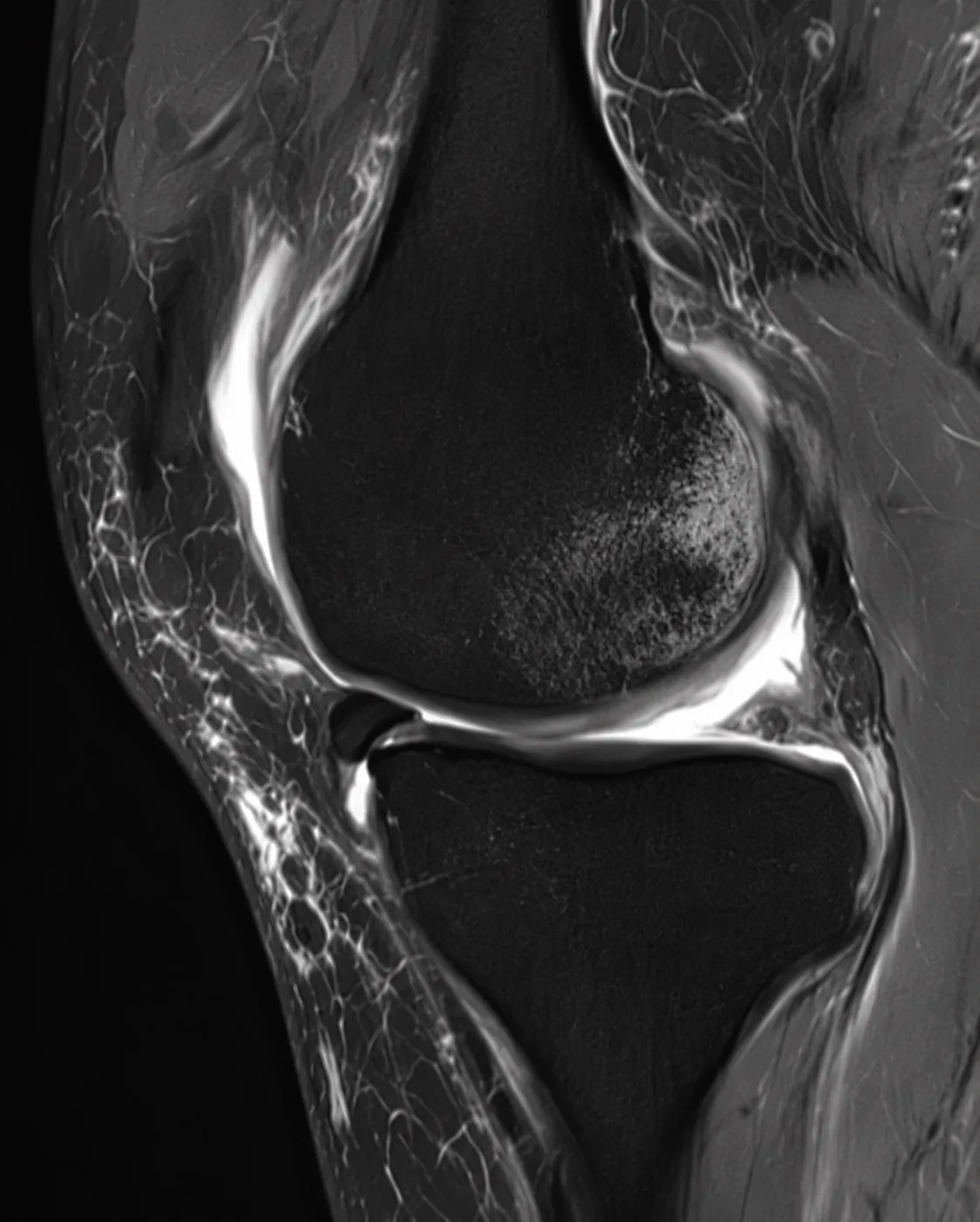
What the meniscus does
Each knee has two menisci, semicircular wedges of cartilage that sit between the thigh and shin bones, absorbing shock, spreading load and helping to stabilise and lubricate the joint.
How tears happen
Tears usually follow a sudden, forceful twist of the knee, common in football, rugby and skiing, though they can happen to anyone. The typical result is pain, swelling, a limp, and catching or locking as the torn fragment interferes with the joint.
Treatment
Where the tear sits in tissue with a good blood supply, some injuries settle with bracing, activity modification and physiotherapy. Where surgery is needed, it is done arthroscopically through small keyhole incisions, and wherever possible the meniscus is repaired with sutures rather than removed, because preserving meniscal tissue protects the knee for the long term.
Recovery
Keyhole surgery means a short recovery. Most patients are walking the same day, with a physiotherapy programme guiding the return to full activity.
faqs
Common questions.
Can a torn meniscus heal on its own?
Sometimes. Tears in the outer part of the meniscus, where there is a good blood supply, can settle with bracing, activity modification and physiotherapy. Tears in the inner zone rarely heal by themselves.
Is it better to repair or remove the torn piece?
Wherever the tissue allows, repair. The meniscus protects the joint surface, and preserving it lowers the risk of arthritis later. Removal is reserved for tears that genuinely cannot be stitched.
What does keyhole surgery involve?
An arthroscopy through two or three small incisions, usually as a day case. The joint is inspected with a camera and the tear repaired with fine sutures or trimmed back to stable tissue.
How quickly will I recover?
Most patients walk the same day. A trimmed meniscus recovers over a few weeks; a repair is protected for longer while it heals, with physiotherapy guiding the return to full activity.
What happens if I ignore a locking knee?
Catching and locking mean a torn fragment is moving inside the joint, and it can damage the smooth joint surface over time. Early assessment keeps your options open, including repair.
Case Studies
Back to what matters.

Danny
ACL reconstruction + LET

Stephanie
Knee arthroscopy

Jonty
No surgery
Mathew
Patient story
Joel
Patient story
Lucy
Patient story