Expertise
The patella.
A comprehensive specialist service for patella problems, including patella pain, instability and dislocation, with treatment tailored to the underlying cause.
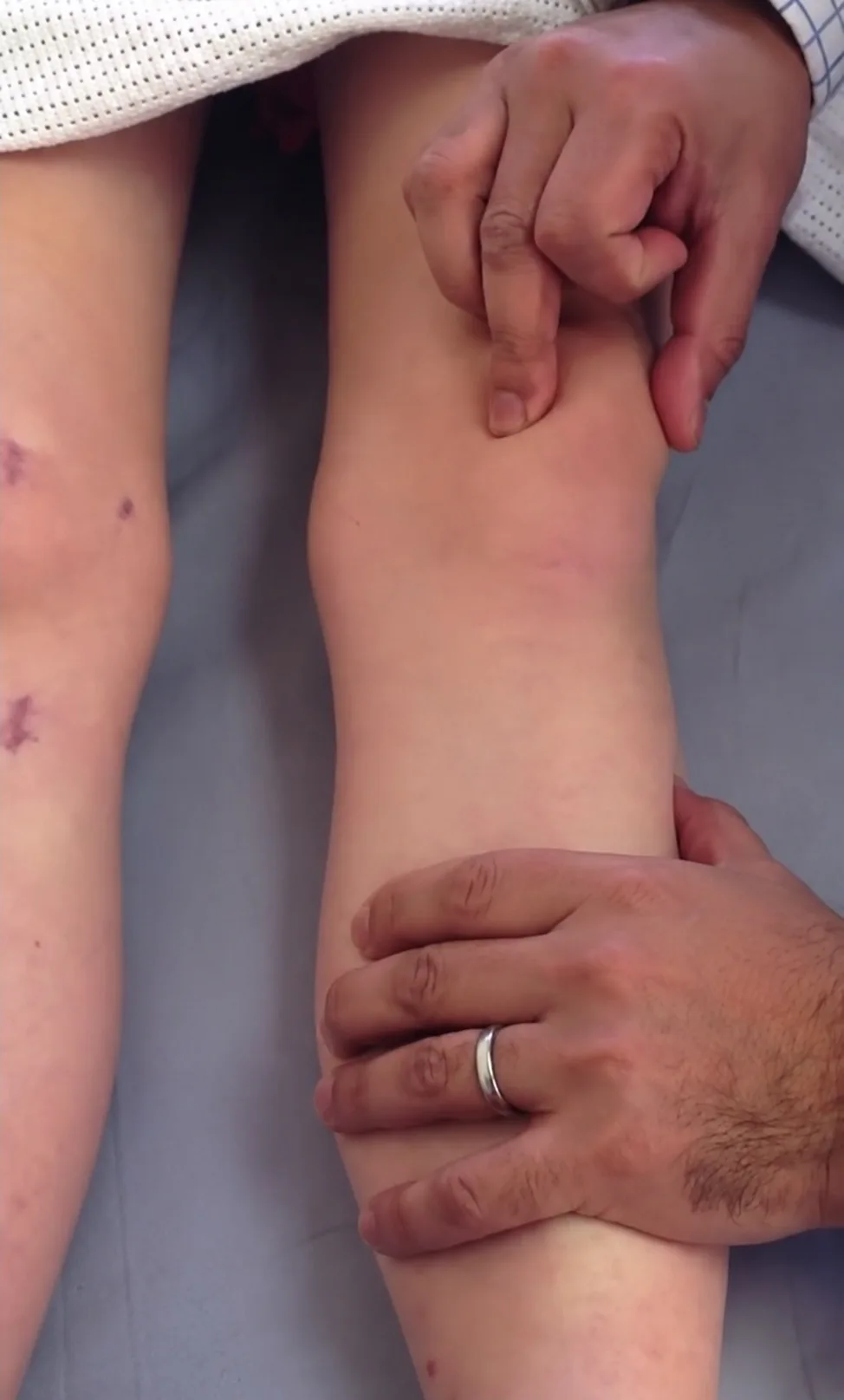
Patella pain
Anterior knee pain is a dull ache felt behind, below or around the patella, often with a grinding sensation on stairs or deep bends. It usually stems from how the patella tracks in its groove, such as malalignment, muscle imbalance or overload, and in most cases it settles with targeted physiotherapy, activity modification and the right footwear rather than surgery.
Instability & dislocation
A dislocating patella slides out of its groove, and once it has happened the knee can feel as though it might give way again. Some knees are naturally more at risk, such as a high-riding patella or a shallow groove, particularly in younger patients. For a first dislocation the priority is a good rehabilitation programme once the swelling settles.
When surgery helps
If instability persists despite rehabilitation, the medial patellofemoral ligament (MPFL), the check-rein on the inner side of the patella, can be reconstructed, sometimes alongside realignment of the tibial tubercle where the anatomy needs correcting. Recovery takes a minimum of three months of guided rehabilitation.
faqs
Common questions.
Do I need surgery after my first patella dislocation?
Usually not. For most first-time dislocations the priority is a good rehabilitation programme with specialist physiotherapy once the swelling settles.
What if my patella keeps dislocating?
If instability persists despite rehabilitation, the medial patellofemoral ligament (MPFL), the check-rein on the inner side of the patella, can be reconstructed, sometimes with realignment of the tibial tubercle.
What causes pain at the front of the knee?
Usually the way the patella tracks in its groove, such as malalignment, muscle imbalance or overload, rather than serious structural damage. It gives a dull ache behind or around the patella, often with grinding on stairs.
Can patella pain be fixed without an operation?
In most cases, yes. Targeted physiotherapy, activity modification and the right footwear settle the great majority. Surgery is a rarity, reserved for specific structural problems.
How long is recovery after stabilisation surgery?
A minimum of three months of guided rehabilitation, because rushing back before the reconstruction has matured risks re-injury.
Case Studies
Back to what matters.
Davina
Patient story
Verity
ACL reconstruction
Mathew
Patient story
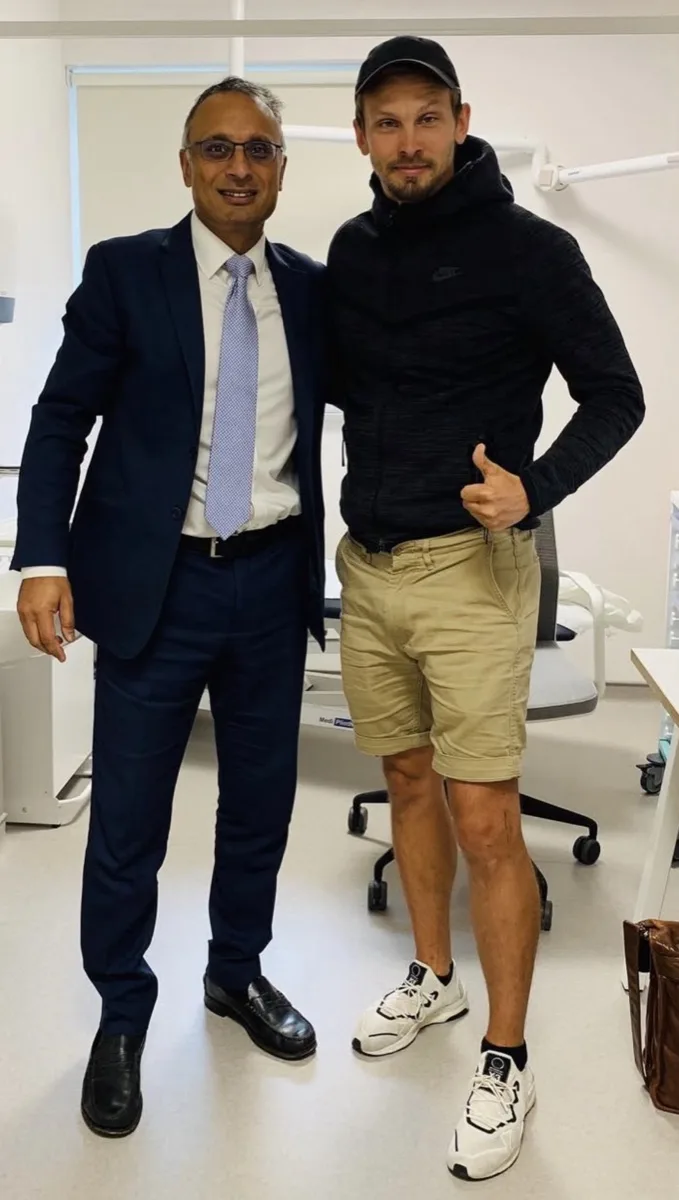
Joel
Patient story
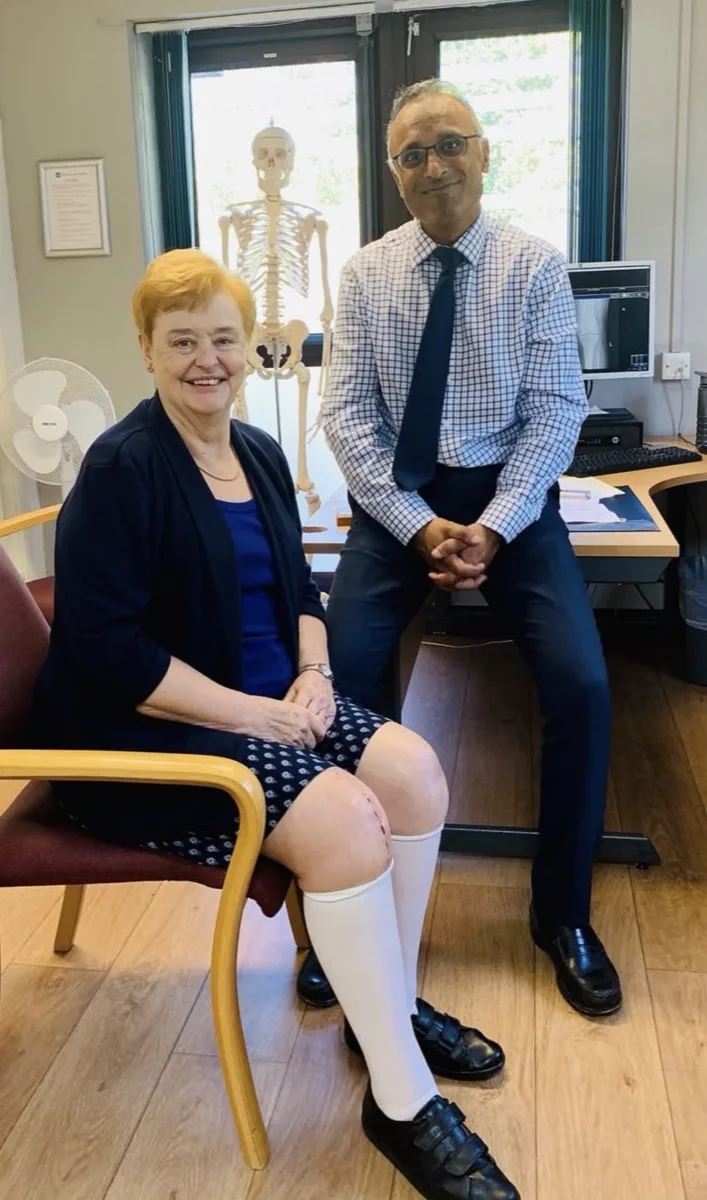
Lucy
Patient story
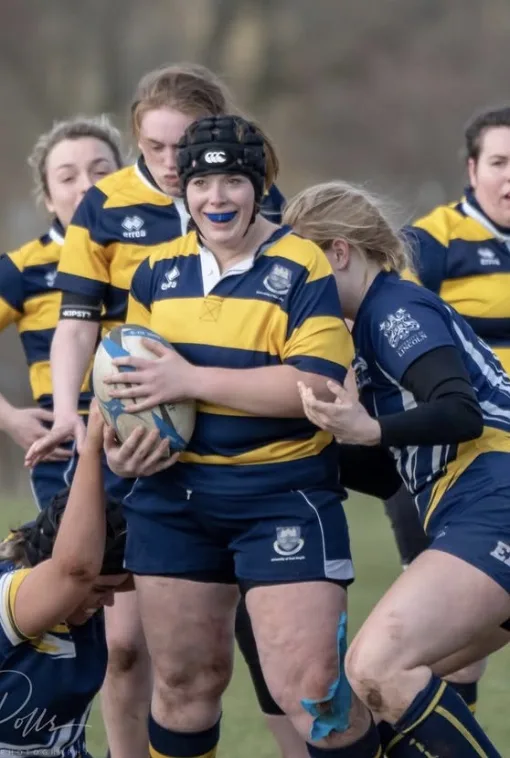
Alan
Patient story